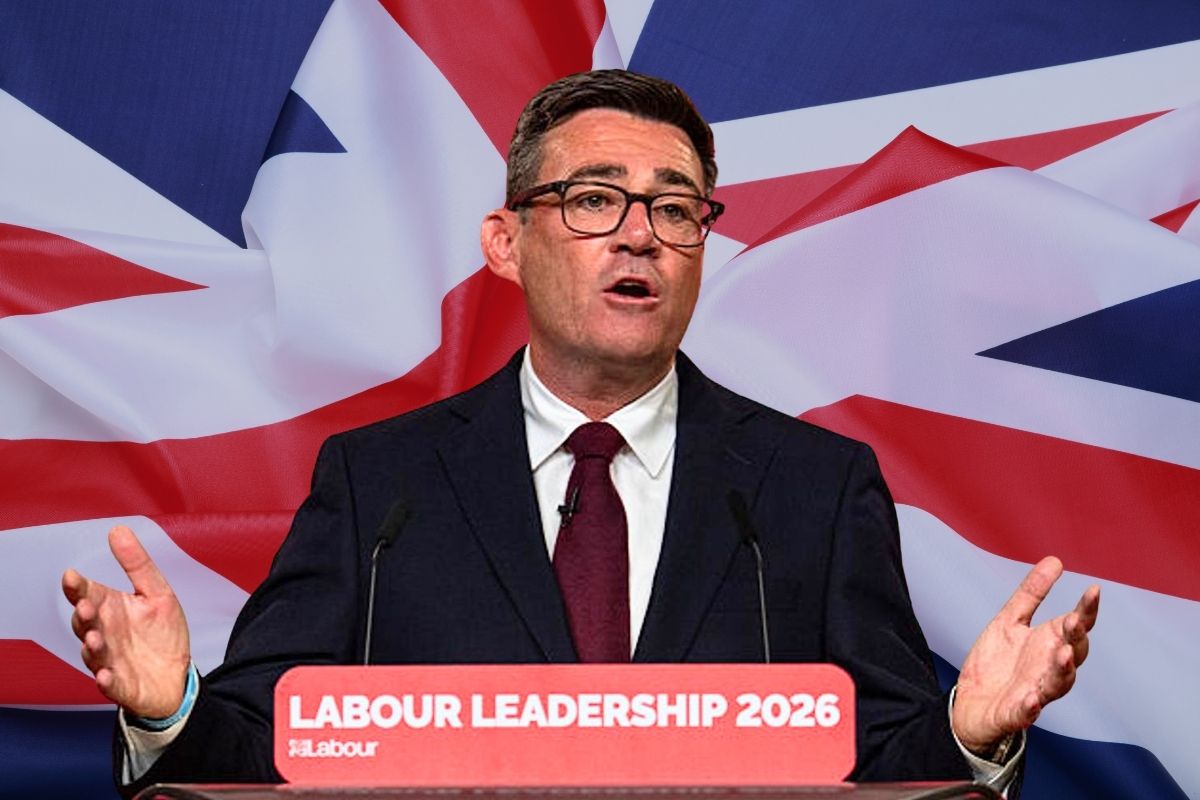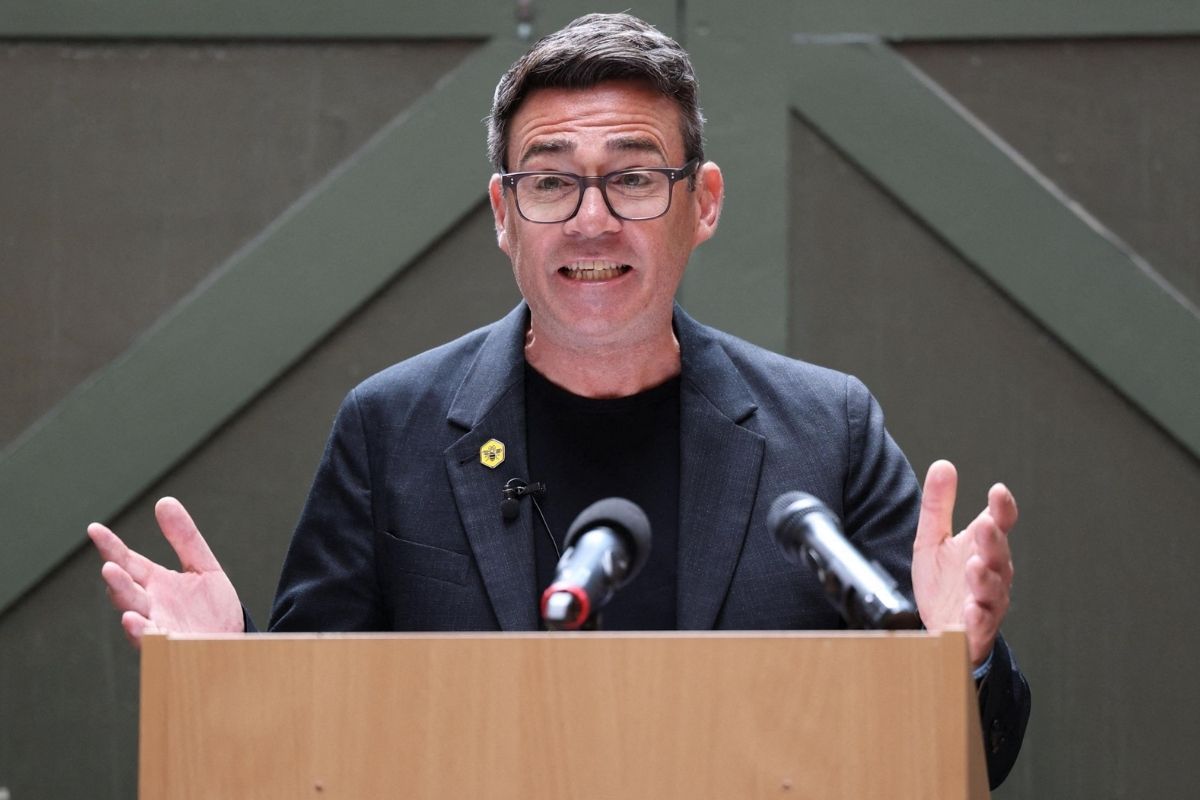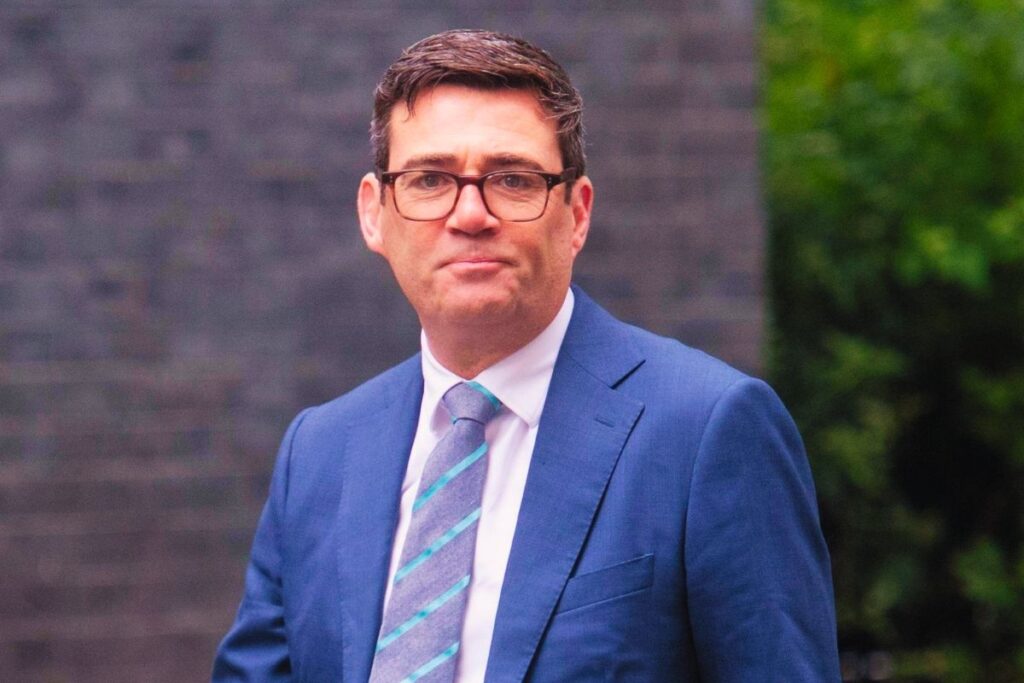




Andy Burnham returned to the House of Commons in the early hours of June 19, 2026, having decisively won the Makerfield by-election in northwest England over Rob Kenyon of Reform UK. The by-election was engineered: a Labour MP resigned, creating an opening for Burnham to return to Westminster. Within hours, the 56-year-old Greater Manchester mayor had repositioned himself as the most credible challenger to Prime Minister Keir Starmer.
What got less scrutiny was the economics.
Burnham arrives in Parliament carrying “Manchesterism“ — his characterisation of it as “the end of neo-liberalism,” a “business-friendly socialism,” and a “modern and functional response to the high-inequality, low-growth trap” stemming from 1980s privatisation. It promises to rewire how Britain’s economy is structured at a foundational level.
Burnham has pledged to stay inside the existing fiscal rules and leave Britain’s three biggest tax revenue sources untouched — while promising a platform that requires deploying capital at national scale. The maths has not been done in public.
Burnham’s return was the product of months of deliberate manoeuvring. Starmer’s popularity has cratered since Labour’s July 2024 landslide. He has struggled to deliver growth, repair public services, and ease cost-of-living pressures. When Wes Streeting resigned as health secretary in May — saying “where we need vision, we have a vacuum” — the opening Burnham needed appeared.
Burnham won Makerfield with almost 25,000 votes, a margin that immediately gave him a counter-narrative: that he, uniquely, could hold working-class northern seats against the anti-establishment right.
“No one else could have won that seat. I won that. I bring something unique.” — Robert Ford, political scientist, characterising the argument Burnham can now make
At his victory rally, Burnham pledged to “bring down water bills, energy bills, rail fares, just as we’ve brought down bus fares in Greater Manchester” and called for “a new drive of industrialisation across the north of England.”
The media has focused on what Burnham wants to do. The gap is in how he says he will pay for it.
Burnham has vowed to keep within the existing fiscal rules, which include balancing day-to-day spending with revenues by 2029/30. He has also pledged to honour Labour’s 2024 manifesto tax lock, ruling out increases to income tax, employee National Insurance, and VAT — the three taxes that raise the vast majority of government revenue.
At the same time, his platform advocates for “greater public control” over housing, energy, water, and transport. Public control of infrastructure requires capital. Capital deployment at national scale requires either borrowing, taxation, or asset transfers that carry their own legal and compensation costs.
His campaign has focused on reassuring investors, but the record is mixed. Last September, Burnham unnerved bond markets by stating Britain had to get “beyond this thing of being in hock to the bond markets,” before walking it back in January, saying he had been misrepresented and was not indifferent to the £2.8 trillion British sovereign bond market.
“His national economic credibility is untested. It remains unclear whether his regional approach would translate effectively to national policy.” — Kallum Pickering, Chief Economist, Peel Hunt
Britain is one of the most financially centralised countries in the developed world, according to OECD data — a structure economists say has widened inequality between London and elsewhere. Burnham’s diagnosis is grounded in real data: growth in Greater Manchester has exceeded the national average since the creation of the Combined Authority.
The most concrete proof-of-concept is the Bee Network. Under the regulated model Burnham introduced, Greater Manchester now runs bus services a third cheaper per kilometre than the privatised predecessor, with a strict £2 fare cap and public ownership of local bus depots. That is real, verifiable, and politically saleable.
The question Burnham has not answered publicly is which Whitehall agency, funded by which mechanism, would replicate that model nationally. His own account of a 2007 episode as a Treasury minister is instructive: regional rail funding for the North was blocked because it failed a narrow Green Book economic test — the same Treasury framework he would need to dismantle from within.
The media narrative has been largely celebratory: a charismatic northern mayor beats Reform UK and offers Labour a way out of its Starmer-era malaise. That narrative is not wrong. It is incomplete.
Burnham’s Manchester record is real. The Bee Network numbers are real. The case that centralised Thatcherite economics left structural damage across Britain’s regions is well-evidenced.
But Manchesterism as a national programme is still an aspiration without a balance sheet. Before Burnham arrives at the Treasury, he needs to answer the question his platform has so far avoided: where does the money come from?

Sign up to receive our email, delivering the latest stories straight to your inbox.