Andy Burnham Property Tax Proposals: What Could Change for UK Homeowners?
Published
Categorized as Politics
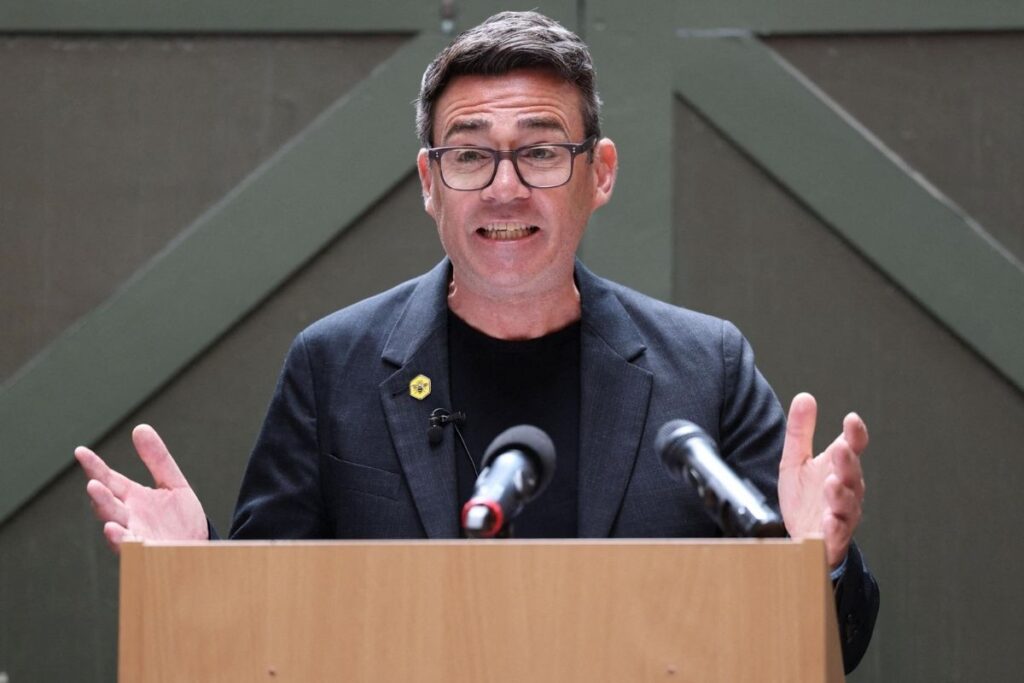




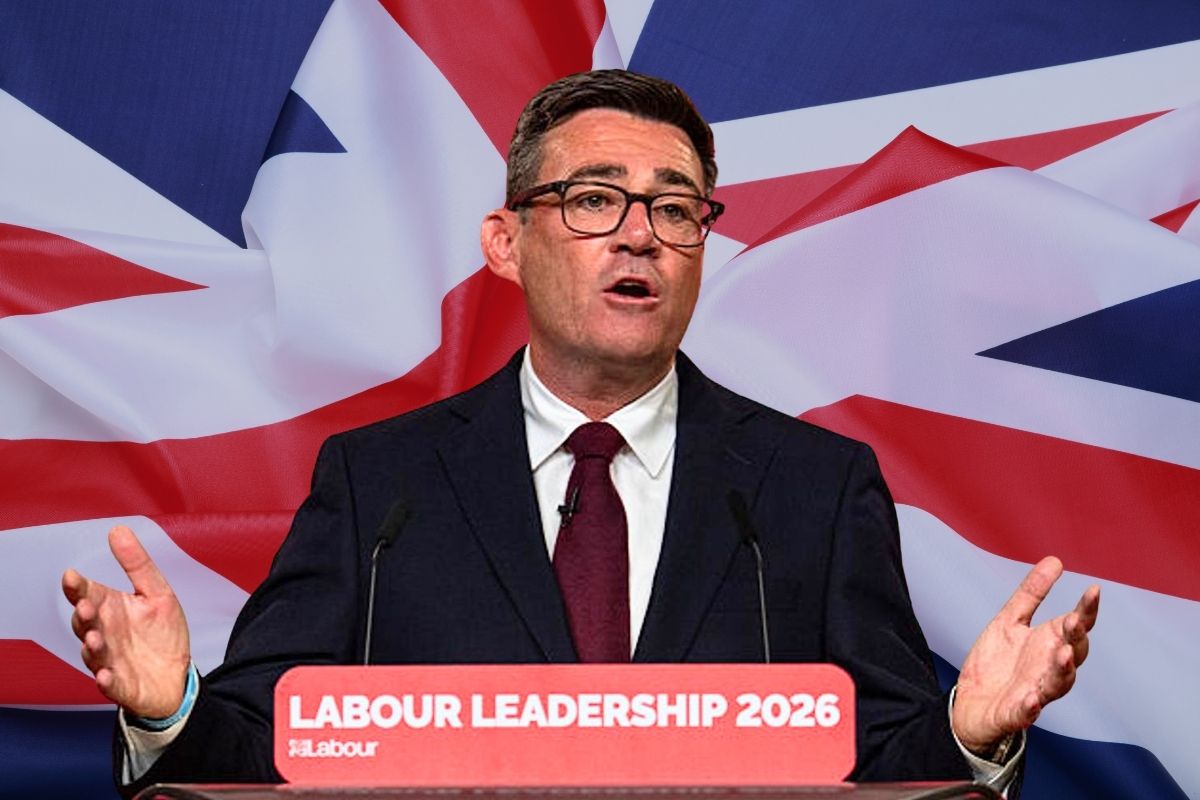
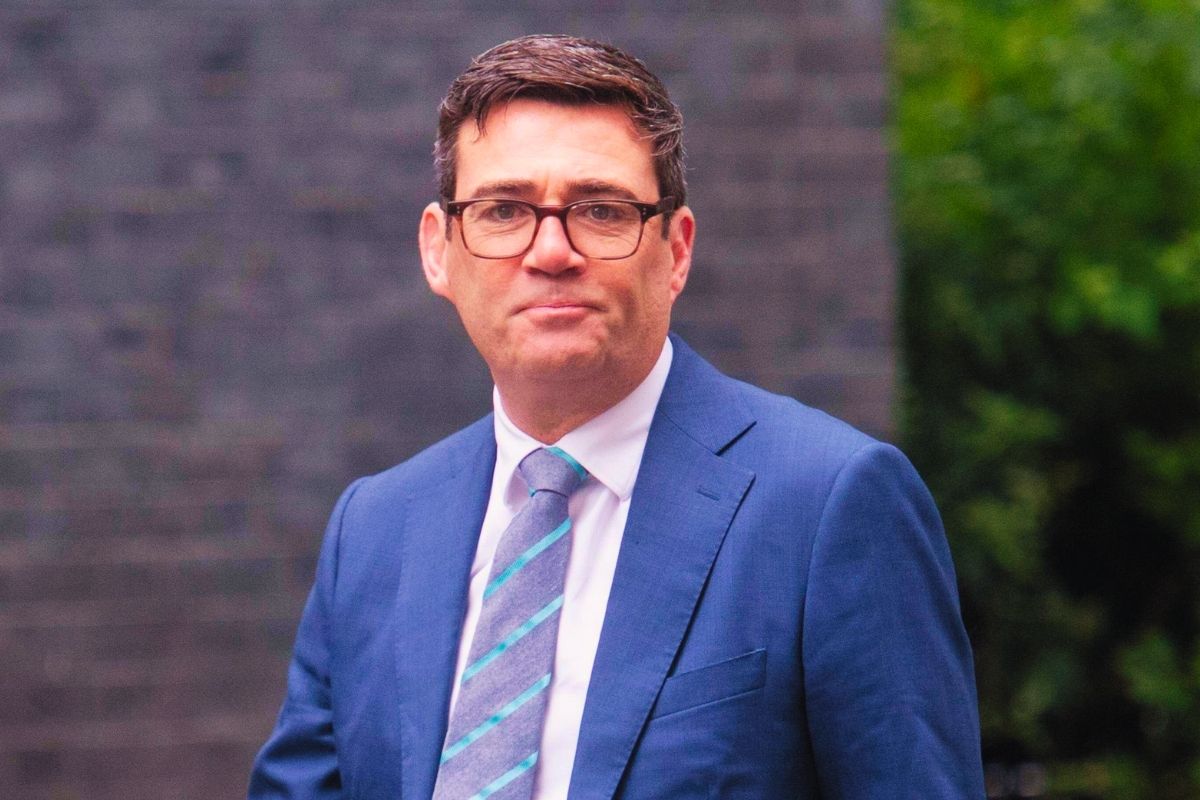
With Andy Burnham emerging as the frontrunner to succeed Sir Keir Starmer as Labour leader — and potentially as Prime Minister — his long-standing ideas on property taxation have moved sharply into focus. For homeowners, buyers, and landlords across the UK, the question is no longer hypothetical: what does Burnham actually want to do with council tax and stamp duty?
Table of Contents
Burnham has publicly backed the campaign group Fairer Share, which advocates scrapping both council tax and stamp duty in favour of a single annual Proportional Property Tax (PPT) set at 0.48% of a property’s current market value.
In practical terms, this means:
The Fairer Share campaign estimates that 75% of UK households would be better off under the new system, with the biggest losers concentrated in London and the South East, where property values are substantially higher.
Burnham has been vocal in calling council tax “highly regressive.” His central criticism is straightforward: council tax bands in England are still based on 1991 property valuations — a 35-year-old snapshot that bears almost no resemblance to today’s housing market. A modest terraced house in the North may sit in the same band as a considerably larger property in the same area, simply because the gap in prices did not yet exist when valuations were last conducted.
Meanwhile, stamp duty — charged as a one-off cost when a property changes hands — has long been criticised for freezing people in homes that no longer suit them. Older residents reluctant to downsize, families needing more space, and workers moving for jobs all face significant transaction costs that dampen housing market activity. Burnham argues this directly undermines the government’s ambitions to build 1.5 million homes.
Alongside his support for a PPT, Burnham has consistently advocated for a Land Value Tax (LVT) — an idea he first floated during his 2010 Labour leadership bid. Rather than taxing the total property value, an LVT would charge owners based on the value of the land beneath the building alone.
The logic is economic: land cannot be created or moved, so taxing it cannot reduce its supply. Supporters argue it would actively discourage developers and investors from sitting on undeveloped land, pushing more sites into productive use and helping to ease the housing shortage.
Not everyone is convinced. Critics raise three substantive objections:
Asset-rich, cash-poor homeowners — particularly pensioners who bought decades ago in areas that have since become expensive — could find annual bills difficult to meet from income alone, even if their property’s value has soared.
Market stability is another concern. Former Bank of England economist Charles Goodhart has warned that a sudden shift to land value taxation could trigger a sharp fall in house prices, potentially destabilising mortgage markets given how much lending is secured against property.
Implementation complexity is formidable. Accurate, up-to-date valuations would be required across millions of properties — a significant administrative undertaking that has historically stalled similar reforms.
Burnham has not yet published a detailed policy document, and no formal commitment has been made. The Fairer Share model does include a transitional cap, under which no homeowner would pay more than £1,200 above their previous council tax bill in the early years of any reform.
For buyers and sellers today, the most meaningful variable remains mortgage affordability — shaped by Bank of England base rate decisions rather than any leadership contest. But the direction of travel under Burnham is clear: a move away from taxing transactions and toward taxing the underlying value of property and land. Whether that shift arrives incrementally or all at once will define its impact on millions of UK homeowners.

Sign up to receive our email, delivering the latest stories straight to your inbox.