



The conflict in Iran is intensifying, and its consequences are rapidly affecting Britain. The crisis is more than a headline for millions of UK households; it poses a real risk to their monthly finances.
The UK was working to stabilise energy prices. However, recent disruptions in global oil and gas routes have changed this. Now, there are concerns about another cost-of-living crisis.
Table of Contents
The rising tensions in the Strait of Hormuz are the main reason for this rise. This tiny river is the most important energy route in the world. Every day, about 20% of the world’s liquefied natural gas (LNG) and nearly a quarter of the world’s oil pass through it.
Shipping activity has slowed to a trickle due to increased military aggression. Some major suppliers, like QatarEnergy, have declared force majeure on certain supplies. This means they will not send any more shipments until they feel the ships are secure. This congestion has caused wholesale gas prices in the UK to rise by about 70% in just a few days. The UK relies heavily on imported gas for power.
This fight is especially hard because of when it happened. Ofgem, the energy regulator, had confirmed a price cap lowering for April 2026 just a few weeks ago. The goal was to cut the average annual bill down to about £1,641. But that number was based on wholesale prices from the beginning of winter.
The current market is volatile. This makes the price cap period from July to September 2026 look grim. Analysts from Cornwall Insight and Deutsche Bank warn. If oil stays above $100 a barrel, the next cap could rise a lot.
Things are significantly worse for people who don’t have petrol. Heating oil prices in rural areas have nearly tripled. This is because Ofgem’s price cap doesn’t include these fuels.
Not only is the heating expense going up. The “Iran premium” is affecting the UK economy in three different ways:
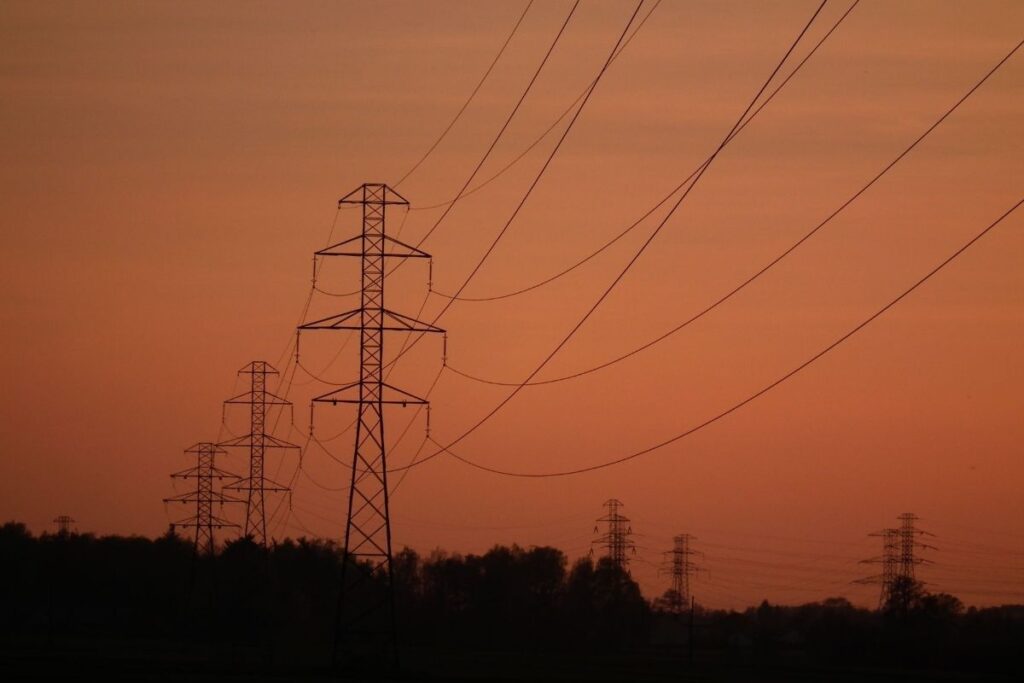
The UK government is now in “monitoring mode,” and Chancellor Rachel Reeves is meeting with North Sea energy executives to talk about how to make the system more resilient. Prime Minister Keir Starmer has said that the UK economy is stronger now than it was during the 2022 Russia-Ukraine crisis. However, the UK’s inadequate gas storage capacity is still a structural weakness.
OPEC+ (headed by Saudi Arabia and Russia) has agreed to a little increase in production of 206,000 barrels per day starting in April. But experts say that this is a “drop in the ocean” compared to the amount of oil that is now stuck behind the blockade in the Strait. “If oil can’t move through Hormuz, extra production targets don’t do much to help the market.” Right now, logistics and transit risk are more important than quotas. — Jorge Leon, Rystad Energy.

Sign up to receive our email, delivering the latest stories straight to your inbox.