Abstract DIY Wall Art Techniques Anyone Can Try at Home
Published
Categorized as Home Improvement & DIY
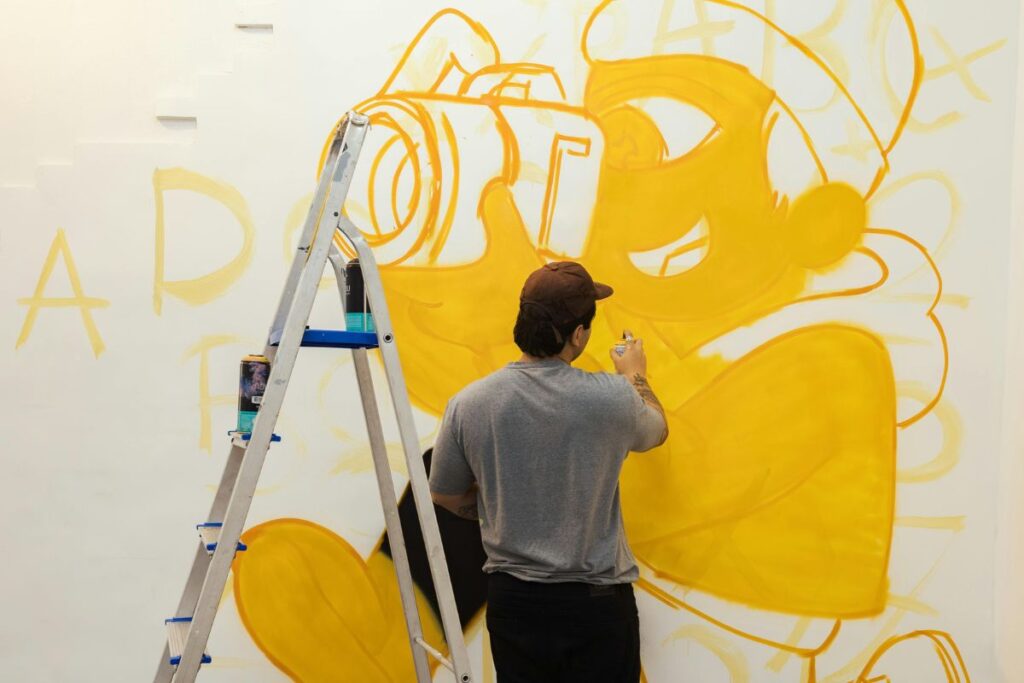




One of the latest trends seen in interior decoration is abstract wall art. And this trend has become so popular because this type of wall art is expressive, modern, and personal. Here is the best part of creating these kinds of wall arts in your home. You do not have to have any formal training in arts to produce an artistic piece of abstract wall art.
This guide will walk you through simple and easy DIY techniques related to abstract wall art designs that you may pursue in your home, no matter what your skills are and what your budget is.
Table of Contents
Abstract art emphasizes colors, shapes, textures, and feelings, as opposed to realism. Having such flexibility, DIY painting is a very good activity since there are no set rules or “mistakes to be avoided.” Everyone will produce a one-of-a-kind artwork, which is therapeutic in itself.
DIY abstract wall art also provides you with the opportunity to:
Before going into the techniques, there are a few basic materials to gather. You won’t need all of these; begin with what you already have on hand.
Common materials used are:
The pouring of acrylic is one of the most common abstract art techniques, as it is very dramatic and requires very little work.
How it Works:
Paint is a mixture of a pouring medium or water, which is poured onto the canvas. As a result of the natural flow of the mixture, cells can be formed.
Why it’s beginner-friendly:
You don’t need any kind of brush control—gravity does the heavy lifting for you. Every pour is a one-of-a-kind design.
Colour blocking is a method of abstract design that uses large areas of bold colour to create a clean and modern look.
How to do it:
Use masking tape on your canvas to create geometric patterns. Paint those sections with varying colours and allow them to dry, then peel off the tape.
Best For:
Simple interior designs and modern spaces.
This helps to add dimension to your artwork.
Method:
A palette knife or spatula can be used to spread thick acrylics on canvas. This helps create layers, texture, notches, or movement on the painting.
Pro tip:
Use a simple and small number of colours to look elegant and classy.
Ideal for abstract paintings with smooth transitions.
How it works:
Dip the sponge in paint, dabbing a small amount on the canvas. Then layer several colours to produce depth in your artwork.
Suitable for:
Nature-inspired abstracts, soothing colours, and textural patterns.
This technique promotes intuitive painting.
Approach:
Start by loading your brush with paint, then let your hand flow freely across the canvas while focusing on rhythm rather than design.
Why it works:
It produces expressive, dynamic abstract artwork that is full of life.
On occasion, less is more.
Technique:
Use only black, white, and grays. It is all about contrast, balance, and composition.
Best spaces:
Contemporary living rooms, offices, and minimalistic bedrooms.
Abstract art need not be restricted to paint.
Materials you can add:
Layering various materials creates artworks that are rich in visual elements as well as texture.
Use bold colours together with delicate lines for a fashionable look.
How to do it:
To begin, an abstract background should be painted. Once it’s dry, simple line art should be drawn using a black marker or a painting pen.
Popular styles:
Figures of faces, leaves, or abstract human figures.
Gradients give a feeling of serenity and fluidity.
Method:
To blend two or more colours smoothly, use a broad brush or sponge applied to wet colours.
Tip:
Work quickly so that harsh lines are not formed since the acrylic paint tends to dry very fast.
It is a wonderful technique used perfectly for releasing.
How it Works:
Flick or drip paint onto the canvas using brushes or sticks. Vary size of drips by varying paint thickness.
Result:
Active and dynamic abstract artwork which exhibits movement.
After completion, it is only fair that your artwork gets an appropriate presentation.
Display Ideas:
Apart from the aesthetic appeal of the artwork itself, the process of creating abstract artwork also provides the following
Wall art is a chance to explore, unleash creativity, and express oneself. It doesn’t need costly materials or special skills. You just need a passion for discovery and some enthusiasm for the project. This abstract wall art, whether colourful, simple, or three-dimensional, will turn empty walls into something special.
“Your home needs artwork that also reveals your story, and sometimes the very best artwork is that which you create yourself.”
Can beginners use abstract wall art?
Yes. Also, abstract artworks are the easiest for a beginner to execute since they do not require realistic skills of depiction or rules to follow.
What type of paint is best for DIY abstract art?
Acrylic paint is perfect for this purpose. It is cheap, dries fast and can be used on canvas, paper, and even wood.
What tools will I require to make abstract wall artwork?
You can use household items such as sponges, credit cards, and old paint brushes.
How long does the abstract DIY wall art take to dry?
Acrylic paint typically dries in 30 minutes to several hours, depending on the thickness of application, while textured artwork might take longer.
Can Abstract Wall Art beComparable to Home Décor?
Absolutely. Using a harmonious and complementary colour scheme with furniture and wall colours allows the artwork to blend into the room seamlessly.
How can I protect my completed painting?
A clear acrylic varnish should be used once the painting is completely dry. This will prevent the colours from appearing less vibrant.

Sign up to receive our email, delivering the latest stories straight to your inbox.